
Solar design for Christchurch and Selwyn homes: long-term value, comfort, and smarter energy use
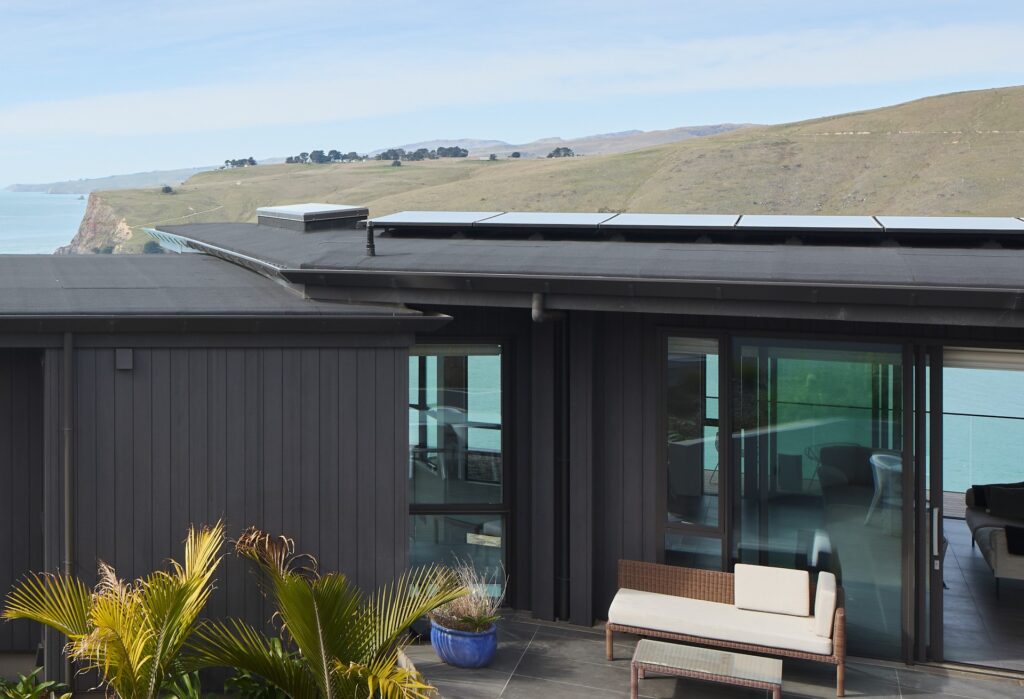
Solar panels are no longer just a sustainability statement. For many Christchurch and Selwyn homeowners, photovoltaic (PV) panels are becoming a straightforward long-term investment in lower running costs, greater resilience, and a home that stays comfortable without relying so heavily on the grid.
It can be especially compelling if you’re approaching retirement. If you expect to be home more during the day, you’re far more likely to use solar energy as it’s generated, which is where a solar energy system delivers its best value. That simple shift in daily routine is often what turns a rooftop array from a “nice idea” into a decision that genuinely supports long-term living costs.
Why solar makes sense long term
A well-designed solar PV system pays off best when it’s designed around three practical realities: your daytime use, your future running costs, and your home’s underlying efficiency.
- It reduces the electricity you need to buy (especially at the expensive times).
Solar doesn’t just lower bills in a general sense. The real win is reducing reliance on grid power by shifting more of your high-use tasks into daylight hours. The more you can use directly, the less you’re exposed to future price rises. - It locks in lower running costs for the long haul.
A solar system is a long-life asset. If you’re building or undertaking a major renovation, it can make sense to invest while you’re already spending capital, then enjoy lower operating costs later. This is particularly valuable for people planning retirement, when income may be more fixed and predictability matters. - It works best when the home is designed to need less energy in the first place.
The highest-performing solar homes are usually not the ones with the biggest panel arrays. They’re the ones with sensible thermal design: good insulation, good glazing choices, and an efficient heating strategy. Then solar is covering a smaller, more manageable energy demand.
A simple rule of thumb for high performance homes: reduce demand first, then generate clean power to cover what remains.
Why solar often suits retirement and “homes for the years ahead”
If you’re home during daylight hours, a photovoltaic system becomes more useful because your natural usage aligns with solar power generation. That matters because it supports a practical approach: use power as it’s made, rather than exporting it cheaply and buying it back later at a higher rate.
For many retirement-focused clients, solar also aligns with a common goal: investing a little more while you’re building, so you’re not carrying higher running costs later when you want life to feel simpler.
This is one of the reasons solar pairs naturally with our “homes for the years ahead” idea: it supports comfort and cost stability over decades, not just the first few years.
Retirement-friendly solar: maximise self-use (often before batteries)
Solar delivers its best value when you use power as it’s generated. That’s one reason it often suits retirement living particularly well: if you’re home during the day, your normal routines align with solar output.
Here are the choices that usually make the biggest difference, without over-complicating things:
- Prioritise self-use over export
Aim to use a good portion of generation on-site during daylight hours, rather than exporting it cheaply and buying electricity back later at a higher rate. - Use hot water as your first “battery”
Before paying for a battery, consider a hot water strategy that stores daytime solar. It is often one of the simplest and most cost-effective ways to increase self-consumption. - Pair solar with “gentle heat” top-ups
In well-insulated homes, solar can top up heating during the day (including hydronic slab systems in suitable homes), then the building carries that comfort into the evening. - Shift a few predictable loads into the middle of the day
Examples:
– hot water heating
– heating top-ups in winter
– EV charging (if applicable)
– dishwashers and washing machines on timers - Keep controls simple
A system you will actually use beats a complex one you have to manage. Timers and straightforward automation often provide the best real-world result. - Think about ownership and maintenance from day one
Consider roof pitch, safe access for occasional cleaning, and where inverters and switchgear will live. If it is awkward to maintain now, it will not get easier later.
A common pitfall is being sold a “default package” sized to the roof rather than your lifestyle. Good photovoltaic design starts with your goals (comfort, running costs, resilience), then matches PV size and layout to realistic self-use — not just maximum panel count.
Example: hydronic in-slab heating in a well-insulated home
In a high-performance home with hydronic heating, solar PV can be used to top up the slab during the day, particularly on clear winter days. The slab then becomes a gentle thermal store, reducing the need for evening heating.
This kind of approach often makes more sense than exporting excess generation and later buying electricity back at a higher rate. It can also reduce the case for batteries, because you’re storing comfort in the building itself.
For retirement-focused clients, this can be a genuine lifestyle upgrade: steady warmth, low noise, and lower ongoing running costs without needing to think about it every day.
Christchurch and Selwyn considerations: orientation, angle, and seasonal reality
Solar performance in Canterbury is strongly influenced by roof geometry, shading, and seasonal sun angles — so a small amount of early design thinking can make a big difference to real-world energy yield.
Orientation and roof geometry
• North-facing roof areas are typically the simplest place to start in Canterbury.
• East and west can still perform well, especially if you want to spread generation across morning and afternoon.
• A clean, unshaded roof plane is often more valuable than chasing a perfect angle.
Winter versus summer performance
• Summer generation is abundant, but winter is when people feel power bills most.
• Christchurch’s clear winter days can be excellent for solar output, but shorter days and low sun angles mean shading matters more.
• In Canterbury, winter shading is often the silent performance-killer. A chimney, parapet, neighbouring ridge, or a line of trees can cut output significantly when the sun is low.
The best outcomes usually come from combining sensible solar layout with a home that needs less energy in the first place: insulation, glazing choices, shading, and an efficient heating strategy.
Read more about designing High Performance Homes
Wind and durability
Canterbury wind exposure means good fixing details and wind-loading considerations are important. Solar should be integrated as part of a durable roof solution, not treated as an afterthought.
Maintenance and safe access (often overlooked)
Solar panels are low-maintenance, but not no-maintenance. A good design considers:
- safe roof access if cleaning is needed (especially after pollen, dust, or nearby trees)
• where ladders can go safely
• roof pitch and surface type
• access to inverters and switchgear for servicing
• avoiding layouts that create hard-to-reach gutters or debris traps
These are the kinds of “quiet practicality” details that matter more as you get older and want the home to remain easy to live with.
Solar for renovations and alterations: still worthwhile, but assess carefully
Solar can work very well on alteration projects, but you often have less control over major variables:
- existing house orientation
• roof form and available north-facing area
• large trees and neighbouring shading
• legacy wiring and switchboard capacity
In these cases, the best first step is usually a quick feasibility check: identify the likely usable roof planes, assess shading through the day and through the year, then size the system to match realistic self-use.
Sometimes the best solution isn’t the main roof. It might be:
• a garage or outbuilding roof
• a new carport designed with solar in mind
• careful PV panel placement combined with selective shading management where appropriate
On some character or heritage homes, appearance can be more sensitive. Steeper roof pitches can also make panels more visible from the street. In those cases, the best solution is often about careful placement and proportion — using less prominent roof planes, matching panel layout to roof geometry, considering low-profile mounting, or using garage/outbuilding roofs where it delivers strong performance with a quieter street presence.
Solar works best as part of a whole-home energy strategy
Solar performs best when it supports an already-efficient home. For both new builds and major renovations, it’s worth considering solar alongside:
- energy-efficient LED lighting throughout
• efficient space heating (well-designed heat pump systems, or hydronic via heat pump in suitable homes)
• hot water strategy (including heat pump hot water options)
• high-quality insulation and glazing choices
• airtightness and ventilation planning so the home stays healthy and dry without wasting heat
• smart controls and timers to shift loads into daylight hours
This is exactly why solar fits naturally with high-performance design: reduce demand first, then generate clean power to cover what remains.
A simple checklist: what we consider when designing a solar-ready home
- which roof planes are best and how they’ll stay unshaded in winter
• whether generation should be spread morning-to-afternoon or concentrated
• where inverter and switchgear will be located and how they’ll be accessed
• how we’ll maximise self-use (hot water, heating strategy, timers, EV readiness)
• whether battery readiness makes sense now, or later
• how solar integrates with roof form, drainage, and long-term maintenance
Solar is one of those areas where it’s easy to be talked into a system that sounds impressive but doesn’t deliver in practice. The most reliable approach is to start with your goals (comfort, running costs, resilience), then design the system around the house and your likely daytime use — rather than accepting a one-size-fits-all package.
Ready to plan a solar-ready home for the long term?
Solar works best when it’s considered early, alongside orientation, roof form, heating and hot water strategy, and the overall performance of the building fabric. If you’re designing a long-term home, our Homes for the Years Ahead page explains the thinking that sits behind these decisions, and our High Performance Homes page sets out the practical design moves that reduce energy demand before you even add solar.
If you’re at the early feasibility stage and want a clear view of what’s realistic on your site (including shading, roof planes, and maintenance access), you can contact us to arrange a conversation, or call for an initial chat.
