

High-performance homes for lasting comfort and efficiency
If you’re the kind of client who wants to understand why something works — not just be told it will — you’re in the right place.
High performance design isn’t a product list or a buzzword. It’s a methodical approach to creating a home that feels consistently comfortable, costs less to run, and holds up over time. For many clients, it’s also about reducing uncertainty: making clear choices early, testing assumptions, and documenting thoroughly so what’s drawn is what gets built.
You might relate to this if…
- You like decisions backed by logic, not trends
- You like to ask questions and want clear, straightforward answers
- You care about long-term running costs and measurable comfort
- You value a robust, well-documented project — fewer surprises, fewer rushed decisions on site
- You’ll invest where it makes a real difference, and keep other parts simple
If that sounds like you, you’re in the right place.
→ Book a free consultation — or just pick up the phone for a quick chat about your project
A clear, test-and-verify process
High performance outcomes don’t happen by accident. They come from making the right calls early, and checking them as the design develops.
- Set performance targets early (comfort, energy use, durability, resilience)
- Design the envelope and glazing strategy first, then size systems to match
- Check risk items early (junctions, moisture, thermal bridging, buildability)
- Document clearly, so performance survives construction and detailing stays consistent
Documentation that ensures performance
High performance design only works if it’s actually built as intended. That’s why we put real effort into drawings, details and specifications — so there’s less ambiguity on site, fewer delays, and fewer “quick fixes” that compromise the outcome.
“It’s a pleasure to work with such a great set of detailed plans from the get go. For the construction team on site it leaves little to interpretation, thus saving us time on site and avoiding delays.”
— John Creighton Builders Ltd
Where performance is won or lost
- Orientation + shading
- Glazing strategy (light and views, without overheating or winter heat loss)
- Thermal continuity (reducing thermal bridging at edges and junctions)
- Airtightness + controlled ventilation (fresh air without wasting heat)
- Durable cladding + details (especially in exposed or coastal conditions)
- Right-sized systems (efficient, not oversized)
What high performance means in practice
1) Quality over quantity
High performance homes are about choosing the best home rather than the biggest home — one that feels good to live in, performs well in Canterbury’s climate, and remains sensible to own over the long term.
2) Letting performance shape design decisions
Comfort and efficiency are part of the design brief from day one. That can mean asking different questions early:
- Do you really need wall-to-wall glazing if it increases heating and cooling demand?
- Can you frame the views with better-sized openings and improve comfort at the same time?
- How do you keep the home warm, dry and healthy without relying on oversized systems?
The aim is simple: make it affordable to maintain comfortable, healthy conditions inside your home.
3) Designing for lifecycle cost, not just build cost
We look at the whole-life impact of decisions about materials, construction methods and systems. Paying a bit more in the right places can mean far less time (and money) spent maintaining, repairing or retrofitting later.
4) Resilience and futureproofing
Performance isn’t only about energy. We also consider how the home can cope over time:
- planning so the house can adapt if your mobility is reduced
- future site risks, including considerations like flood levels where relevant
- durable, well-detailed design that is robust and won’t require excessive maintenance
5) A careful envelope strategy + controlled ventilation
We aim to minimise thermal bridging and control air movement, so performance is predictable rather than accidental. Where appropriate, we can incorporate controlled ventilation systems that supply fresh air throughout the home while recovering heat from stale air — supporting a dry, healthy interior without unnecessary heat loss.
6) Efficient systems that support comfort
Once the fundamentals are right, systems can be smaller, simpler and more efficient. Depending on the project, that can include:
- PV panels (solar)
- LED lighting
- Heat pump-based solutions such as hydronic in-slab heating
7) Smart systems that give you control
For many technically-minded clients, comfort is also about control and visibility. Smart systems can help manage lighting, blinds and ventilation in a way that matches how you actually live — and in some cases allow remote monitoring when you’re not at home.
Smart systems are only useful if they improve control and reduce waste.
Common questions
Isn’t this just “adding more insulation”?
Insulation matters, but high performance comes from the whole system: orientation and glazing decisions, shading, thermal bridging control, airtightness and weathertightness, ventilation strategy, and the detailing at junctions. The goal is a home that performs predictably — not a collection of products.
How do you stop a house overheating if you have great views?
It’s a combination of glazing performance, shading, and restraint. When a home is well insulated, you don’t need huge solar gain to keep it warm. Carefully sized and placed openings can deliver excellent light and views with far better comfort year-round.
Is high performance always more expensive?
Not always — and it depends what you mean by “performance”. Some improvements add cost upfront, but they can also reduce the size and complexity of heating and cooling systems, lower running costs, and reduce future maintenance. Our aim is best-value performance: investing where it makes a real difference and keeping other parts simple.
What you’ll get from a free first meeting
In a free initial consultation, we will:
- Listen as you describe how you would like to live in your new home, and help you put together your brief
- Talk through your site (or potential sites), budget and timeframes
- Discuss key questions such as one vs two levels, access and long-term comfort
- Outline how our process would look for your project and the service options available
Afterwards, you’ll receive a tailored proposal outlining the recommended next steps and the service level that would best suit your project. If you’re not sure where to start, we can also send you our Guide to Writing a Brief, with useful prompts to help you clarify what really matters to you in a long-term home.
Ready to explore what’s possible for your home for the years ahead?
Book a free consultation — or just pick up the phone for a quick chat about your project
High performance case studies
- Date
- October 16, 2025
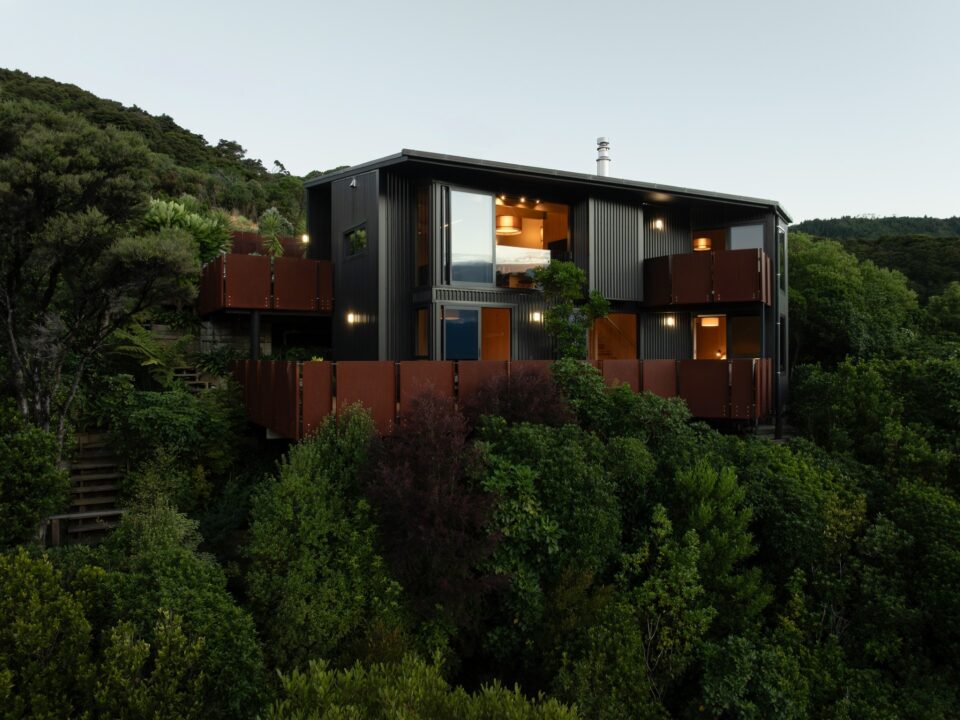
Bush Retreat · NZIA Nelson/Marlborough Architecture Awards Shortlist 2026 | Wake to a chorus of native birds in the surrounding bush, and end the day watching […]- Date
- February 10, 2025
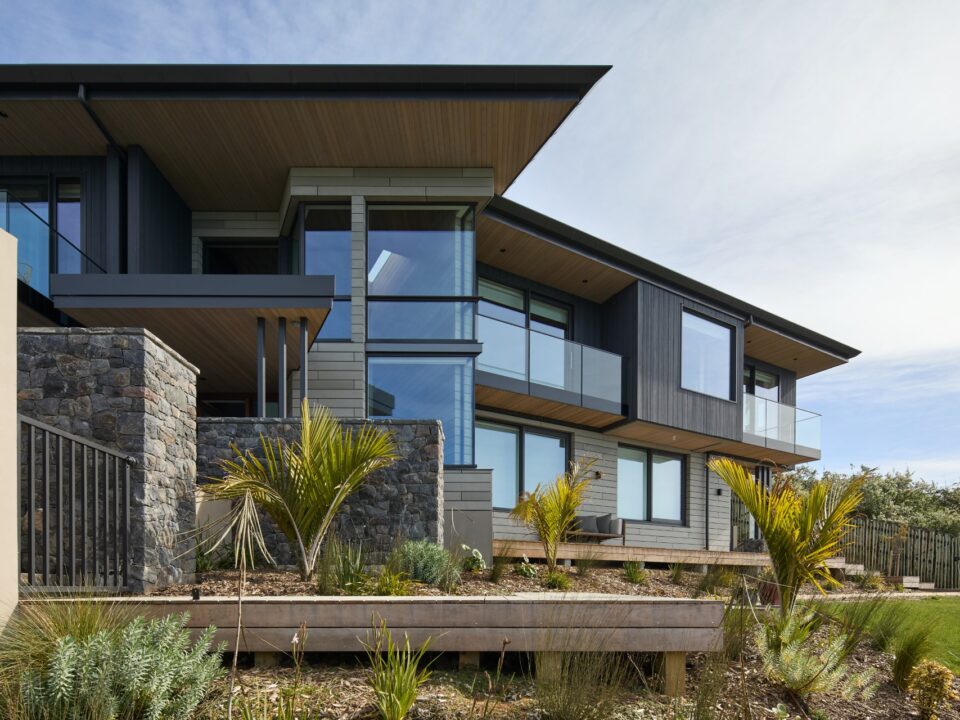
Coastal new-build · Taylors Mistake | Perched above the restless ocean, this home opens to light and sea. Sun-warmed spaces, soft shadows, and panoramic vistas awaken […]- Date
- April 2, 2019
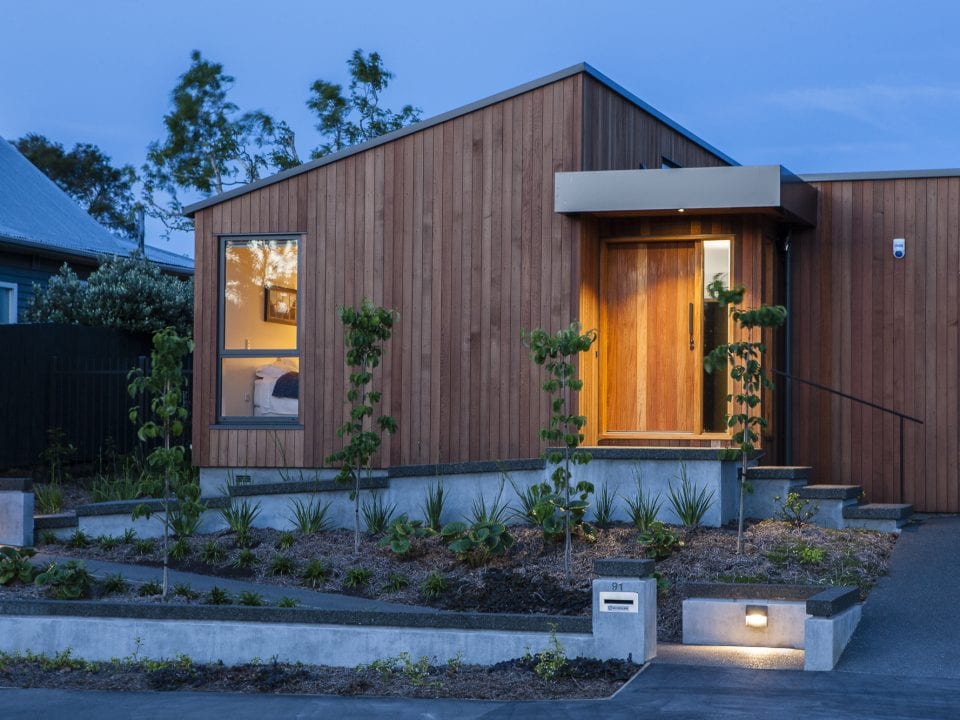
Morning sun filters through the trees and falls softly inside. Slide the doors open and the garden comes closer — birdsong, still air, and a calm, […]
Not sure this is the right fit?
Every project is different. If this page isn’t quite you, use Start Here to find the best pathway and the most relevant examples — or get in touch for a quick chat about the project you have in mind.
What you’ll get from an initial consultation
In a free initial consultation, we will:
- Listen to what you want from performance: comfort, running costs, durability, resilience
- Talk through your site (or potential sites), budget and priorities
- Identify the likely constraints and the best technical pathway for your project
- Outline a clear process and service options for moving forward
Afterwards, you’ll receive a tailored proposal outlining recommended next steps.
Ready to explore what’s possible?
Book a free initial consultation — or just pick up the phone for a quick chat about your project.
Optional next step: If you’d like, we can also send you a short High Performance Home Briefing Checklist to help you clarify priorities before we meet.
