
Louvres and Lifestyle: A Sophisticated Outdoor Sanctuary
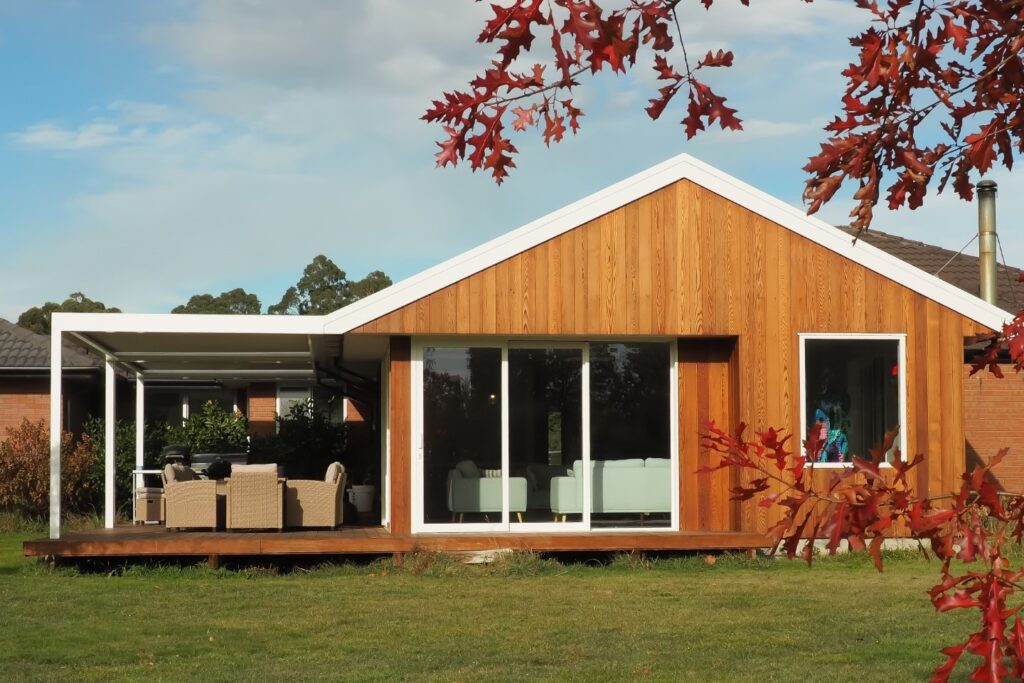
In Canterbury’s luminous light — where long, warm summers meet sudden nor’westers — the way a home connects to the outdoors defines daily life. Many contemporary Christchurch and Selwyn District homes feature narrow eaves and open façades, which provide little shade or shelter. The result is familiar: decks that are too hot, furniture that weathers quickly, and outdoor spaces that fall short of their promise.
For one Lincoln family, that realisation sparked a transformation. “We love to entertain, but the house just wasn’t set up for it,” they said. “There was no space that could comfortably hold a decent number of people… and there was also no shaded outdoor area at all.”
Working with Christchurch architects Chaplin Crooks, the family embraced an alteration and addition. The project opened the living areas and introduced a covered outdoor pavilion framed by elegant aluminium louvres.
Reconnecting home and garden
The project began by removing an outdated conservatory that blocked both light and garden access. “The living spaces were effectively cut off from the garden by an awkward old conservatory that had outlasted its useful life,” the clients recalled. “The house never really connected to the outdoors the way it should have.”
The design created a natural sense of flow, with a new living extension and a louvre-covered outdoor area at the heart of the home. The result is an architectural rhythm that feels effortless — contemporary yet warm, private yet open.
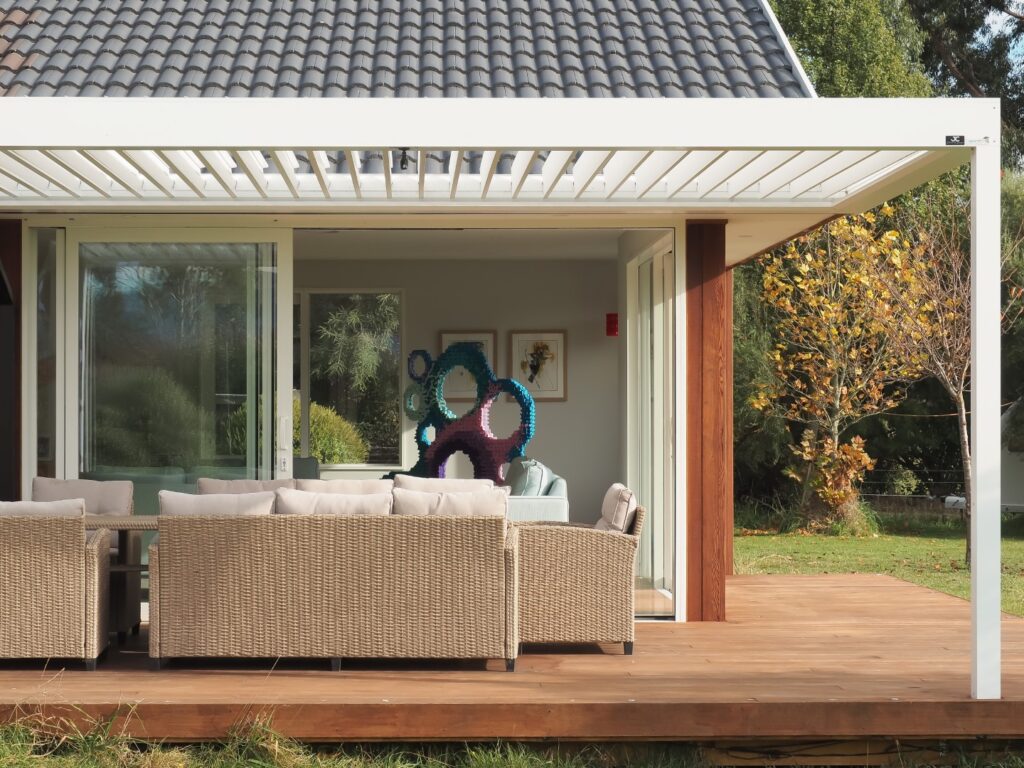
“The covered area has been a game changer,” the owners said. “The extension provides shelter from some of the wind, and the louvres mean we can sit outside even on a hot, sunny day — we can enjoy the warmth without suffering from the direct sunshine.”
The artistry of light
A hallmark of good architectural design in Canterbury is its response to the region’s dramatic light. Louvres modulate sunlight effortlessly, shifting from full sun to gentle shade with a tilt of the blades. On long, bright summer days, this transforms an exposed patio into a sophisticated outdoor retreat.
Choosing a light-coloured finish — crisp white in this project — enhances reflected light and washes the space in a calm, diffused glow. The combination of cedar, brick, and aluminium creates a timeless contrast that elevates the home’s exterior. “The 3D visualisations were really helpful,” the clients said. “They gave us a clear idea of how the white aluminium louvres would sit with the rest of the house… It made it much easier to be confident that the outdoor area would feel integrated rather than tacked on.”
Now, the space feels alive throughout the day. “We often partially open the louvres to let in light without sitting in full sun. As a result, we sit outside much more often, especially for dining and entertaining. Leisurely breakfasts out there on summery holiday mornings are a particular treat.”

A sheltered retreat in every season
Louvres are more than a design flourish — they support year-round outdoor living. They protect against Canterbury’s intense sun, shield from passing showers, and temper the Selwyn District’s nor’westers. This creates a space that feels comfortable in all conditions.
“We can now keep our outdoor furniture in place, and it’s protected,” the owners said. “The outdoor lighting is very practical, and the extension and louvres look stunning from the garden, particularly at dusk with the interior and exterior lights on.”
For homes on exposed sites or hill sections, where trees cannot reliably provide shade, a louvre roof system is an elegant and enduring solution. It blends architecture with comfort and lifestyle seamlessly.
Designed for the way people live
As Christchurch architects, we see how thoughtful design transforms day-to-day living. Louvres offer remarkable flexibility — from modular kitsets that provide clean, cost-effective upgrades, to custom retractable systems that fold away entirely for open-sky enjoyment.
Attention to detail ensured the louvre structure enhanced rather than dominated the space. “The 3D models helped us check that the supports for the louvre would not interfere with the flow or with the views,” the homeowners said.
Smaller or detached louvre structures can in some instances be installed without building consent. This makes them a practical solution for Christchurch homes that overheat in summer or lack usable shade.
A lifestyle transformation
What began as a need for shade evolved into a total lifestyle shift. “The barbecue area is conveniently close to the kitchen and directly adjacent to the outdoor seating area,” the owners said. “The lemon trees next to the deck are flourishing — perfect for a G&T on a hot day, or a lemon drizzle cake on a cooler one.”
Inside, the altered floorplan now feels spacious and connected. “A typical scene might be: Emily building a big Lego project on the rug, children practising guitar, playing in a corner, or baking in the kitchen, and me making coffee at the coffee station — all without feeling cramped or in each other’s way.”
The design not only works beautifully but feels right — attuned to family life and the Canterbury landscape beyond.
The beauty of adaptability
Across Christchurch and the Selwyn District, homeowners are discovering the value of architectural louvre roofs. They elevate comfort, enhance a property’s resale value, and create a calm outdoor sanctuary. Working with an architect helps ensure louvres are positioned for maximum comfort and effectiveness, taking into account factors such as wind uplift, connection to other structures and services, and whether consent may be required.
As the Lincoln homeowners reflected, “The covered area has been a game changer.”
In a region of brilliant light, crisp air, and changing winds, this thoughtful house alteration shows that the best architecture shapes a lifestyle that feels effortless, elegant, and distinctly at home in Canterbury.
